
Picking, Plowing, and Getting Hurt: Seasonal and Agricultural Worker Injuries in Vermont
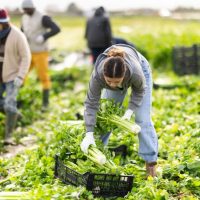
If you’ve spent a summer picking apples in the Champlain Valley, milking cows before sunrise, or working the lifts at a ski resort once the snow flies, you already know this kind of work asks a lot of your body. Seasonal and agricultural jobs keep Vermont running, but they also come with real risks. So what happens if you get hurt doing this kind of work? Do you even qualify for workers’ compensation if your job only lasts a few months out of the year?
These are fair questions, and the answers might surprise you.
Does Seasonal Work Count for Workers’ Comp?
In most cases, yes. Being a seasonal worker doesn’t automatically disqualify you from Vermont workers’ compensation benefits. If you’re classified as an employee, rather than an independent contractor, you’re generally entitled to the same protections as a year-round worker. The length of your employment doesn’t change whether your injury arose out of your job.
That said, agriculture has a few quirks. Vermont law carves out an exception for farm employment when the employer’s total payroll is under a certain threshold. So whether you’re covered can depend on the size of the farm operation you work for, not just the nature of the work itself.
Why Farm and Seasonal Work Carries So Much Risk
Agriculture is consistently one of the most dangerous industries in the country. In 2022, workers in the agriculture, forestry, fishing, and hunting industry had one of the highest fatal injury rates, 18.6 deaths per 100,000 full-time equivalent workers, compared to 3.7 deaths per 100,000 FTE across all U.S. industries. Vermont’s working dairy farms, orchards, and harvest operations carry similar hazards.
Some of the most common injuries we see among seasonal and agricultural workers include:
- Injuries from tractor rollovers or other equipment accidents
- Falls from ladders, lifts, or barn structures
- Crush or entanglement injuries from machinery
- Animal-related injuries, such as kicks or being pinned
- Heat-related illness during long hours outdoors
- Repetitive strain from picking, lifting, or hauling
Add in long hours, unpredictable weather, and physically demanding tasks, and it’s easy to see why injuries happen so often in these jobs.
What Kind of Benefits Might Be Available?
When an injury is covered, Vermont’s workers’ compensation system is designed to provide support without requiring you to prove your employer did something wrong. Depending on your situation, this can include coverage for medical treatment, partial wage replacement while you’re unable to work, compensation for any lasting impairment, and help with vocational retraining if you can’t return to your previous job.
Of course, every claim is different, and insurance companies don’t always make this process simple. Seasonal workers in particular sometimes face pushback, with employers or insurers questioning whether the worker was really an employee, whether the farm met the payroll threshold for coverage, or whether the injury happened on the job at all.
Talk to a Vermont Agricultural Injury Attorney
Seasonal and farm work is physically demanding, and the people who do it deserve support when something goes wrong. If you’ve been hurt while working a seasonal job, on a farm, or anywhere in Vermont’s agricultural industry, our Vermont workers’ compensation lawyers at Sluka Law PLC are ready to help you understand what benefits might be available. We invite you to contact Sluka Law PLC today to talk about your situation and your next steps.
Source:
cdc.gov/niosh/agriculture/about/index.html
