
Warehouse and Manufacturing Injuries in Vermont Workers’ Compensation Claims
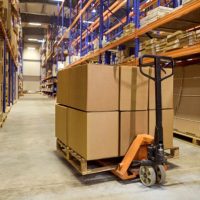
Warehouse and manufacturing jobs are the backbone of Vermont’s economy. But they’re also among the most physically demanding and hazardous types of work out there. If you’ve ever spent a shift on a factory floor or moving freight in a distribution center, you know just how much can go wrong. So what happens when something does go wrong and you get hurt on the job? Understanding how Vermont’s workers’ compensation system works for warehouse and manufacturing workers can make a real difference in what comes next for you.
Why These Jobs Carry Such High Injury Risks
Warehouses and manufacturing facilities are busy, fast-paced environments with a lot of moving parts. Workers operate heavy machinery, handle large loads, stand for long hours, and often work alongside forklifts and other equipment. It’s no surprise that these industries consistently show some of the highest injury rates of any sector in the country. According to the U.S. Department of Labor’s Bureau of Labor Statistics, the transportation and warehousing sector recorded 4.5 injury and illness cases per 100 full-time workers in 2023, while manufacturing came in at 2.8 cases per 100 full-time workers for the same year.
Common injuries in these settings include:
- Back and spine injuries from lifting, carrying, or awkward movements
- Crush injuries from heavy machinery or falling objects
- Lacerations and puncture wounds from tools, conveyors, or sharp materials
- Repetitive stress injuries from assembly line or packaging work
- Forklift accidents and other vehicle-related incidents
- Slip and fall injuries on wet, cluttered, or uneven floors
- Hearing loss from prolonged exposure to loud machinery
Even injuries that seem minor at first can develop into serious conditions if left untreated. That’s why getting medical attention right away matters so much.
How Vermont Workers’ Compensation Protects You
Vermont’s workers’ compensation law is found in Title 21, Chapter 9 of the Vermont Statutes. Under 21 V.S.A. § 618, if you suffer a personal injury by accident arising out of and in the course of your employment, your employer or their insurance carrier is required to pay compensation. The key thing to know is that you don’t have to prove your employer was negligent or did anything wrong. Workers’ compensation is a no-fault system, which means your eligibility for benefits generally depends on whether you were injured at work, not on who was to blame.
Benefits available to injured warehouse and manufacturing workers in Vermont may include medical care, wage replacement if you’re unable to work while recovering, compensation for permanent disabilities, and vocational rehabilitation if you cannot return to your previous position.
What Can Make a Claim Complicated?
Not every workers’ compensation claim goes smoothly. Employers and their insurance carriers have a financial interest in keeping payouts low, and they may challenge whether your injury is truly work-related, argue that a pre-existing condition is to blame, or dispute the severity of what you’re experiencing. Insurance adjusters may also request an independent medical examination, which is performed by a doctor chosen by the employer, not you. These exams are designed to give the insurance company information it can use to limit or deny your claim.
Timing matters, too. Vermont law requires you to report your injury and file your claim within specific timeframes. Delays in reporting can create complications for your case.
Contact Us to Learn More About Your Rights
If you’ve been hurt while working in a warehouse or manufacturing facility, you don’t have to figure this out on your own. The Vermont workers’ compensation attorneys at Sluka Law PLC are here to help you understand your rights and work toward the benefits you may be entitled to. Reach out to us for a free consultation so we can learn more about what happened and how we might be able to assist you.
Sources:
bls.gov/news.release/pdf/osh.pdf
legislature.vermont.gov/statutes/section/21/009/00618
